
Implant or Bridge? How to Find the Right Solution for Your Missing Teeth?
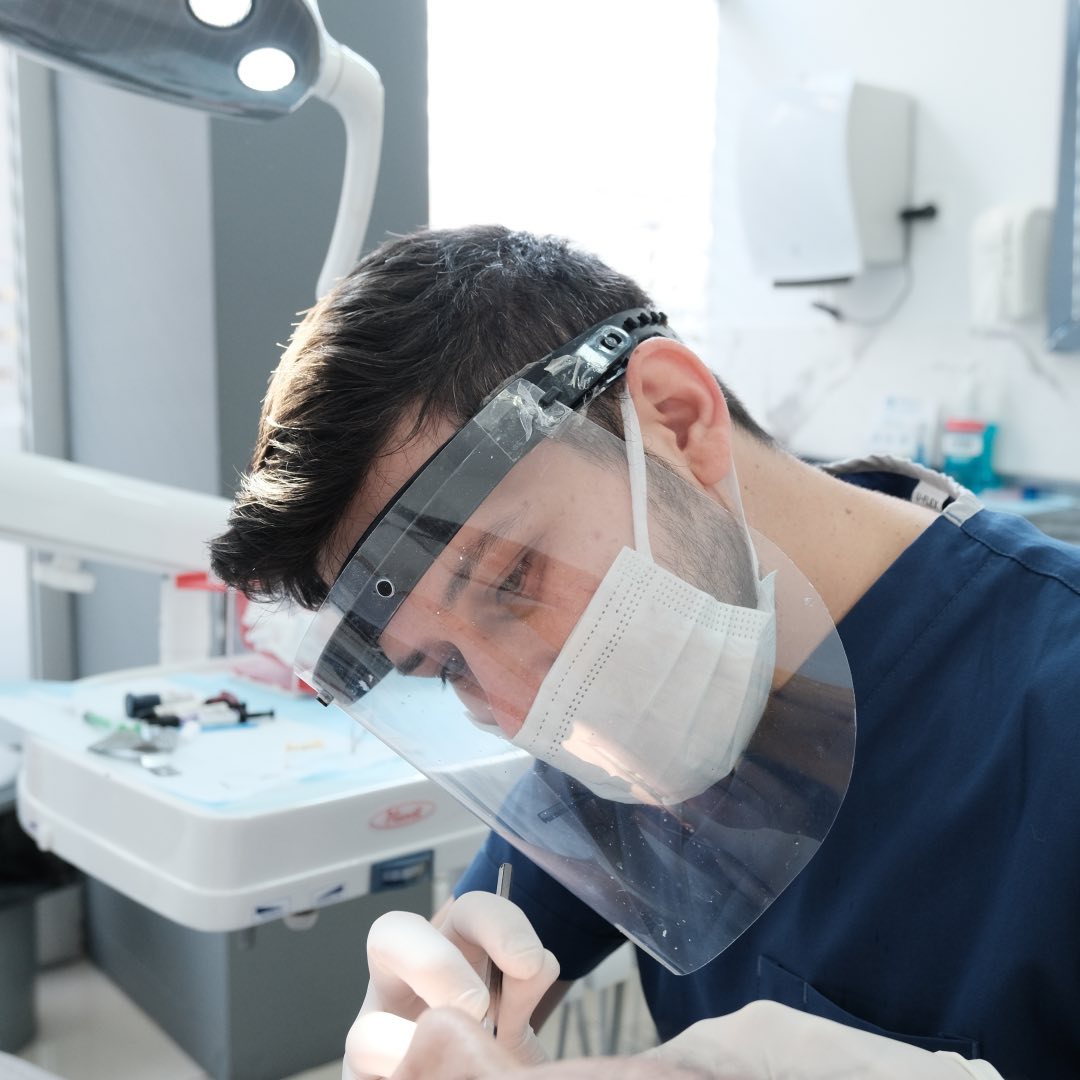
That small gap in your smile can sometimes turn into a problem that affects your quality of life, beyond just an aesthetic concern. Hesitating to bite into something, feeling restricted while speaking, or noticing your other healthy teeth shifting toward the gap over time... If you are experiencing tooth loss, you will encounter two main solutions in dentistry: Dental Implants and Dental Bridges.
So, which one is the right choice for you? Let’s look at the details together to make this decision easier for you.

What is an Implant? Why is it Considered the "Gold Standard"?
An implant is an artificial tooth root made of titanium that replaces your missing tooth root. When placed into the jawbone, it integrates perfectly with your body and functions just like a real tooth.
The Greatest Advantages of Implants:
Protecting Adjacent Teeth: In bridge treatments, the healthy adjacent teeth must be reduced in size. With an implant, the side teeth are not touched at all; meaning your healthy teeth remain exactly as they are.
Bone Health: Bone tissue without a tooth root begins to resorb (deteriorate) over time. An implant transmits chewing force to the bone, ensuring that the bone tissue is preserved and stays vital.
Natural Feel: An implant-supported prosthesis is indistinguishable from your own natural teeth during eating, drinking, and speaking.
So, When is a Bridge Preferred?
Bridges are fixed prostheses made by taking support from the healthy teeth on both sides of the missing tooth.
If your adjacent teeth already have large fillings or decay and require crowns anyway, bridge treatment becomes a very logical and economical option.
If your bone structure is not suitable for an implant, bridges are the safest and fastest solution in such specific cases.

Is the Treatment Process Intimidating?
Many patients are hesitant because an implant is a surgical procedure. However, today, thanks to digital dentistry and modern anesthesia techniques, this process has become even more comfortable and painless than a tooth extraction.
The implant treatment usually consists of the following steps:
3D Planning: A tomography of your jawbone is taken to plan exactly where the implant will be placed in a computer environment.
Application: The implant is placed in the area under local anesthesia.
Healing: A specific period is waited for the implant to fuse with the bone.
Final: The prepared prosthesis is attached, completing your smile.
Final Word: Let’s Decide Together
Every mouth structure is as unique as a fingerprint. There is no single "correct" answer to the question of implant or bridge; however, it is possible to find the "best" answer for you.
A healthy and confident smile starts with correct planning. To fill the gap created by your missing teeth and for a more comfortable life, you can visit our clinic for an analysis of your X-rays, and we can draw the most suitable treatment route together.
Don't postpone your smile; book your appointment today to meet modern solutions!


Comments